Forex Trading Signal Strategies: Master the Logic Behind Alerts
You receive a signal on your phone: BUY EUR/USD. Do you ever wonder why? A professional signal is not magic; it is the result of specific Forex trading signal strategies designed to find high-probability setups.
A strategy is like a financial recipe. It tells the analyst exactly which technical or fundamental ingredients to look for before triggering a trade. Understanding these rules helps you trust the signal and stay disciplined during the trade.
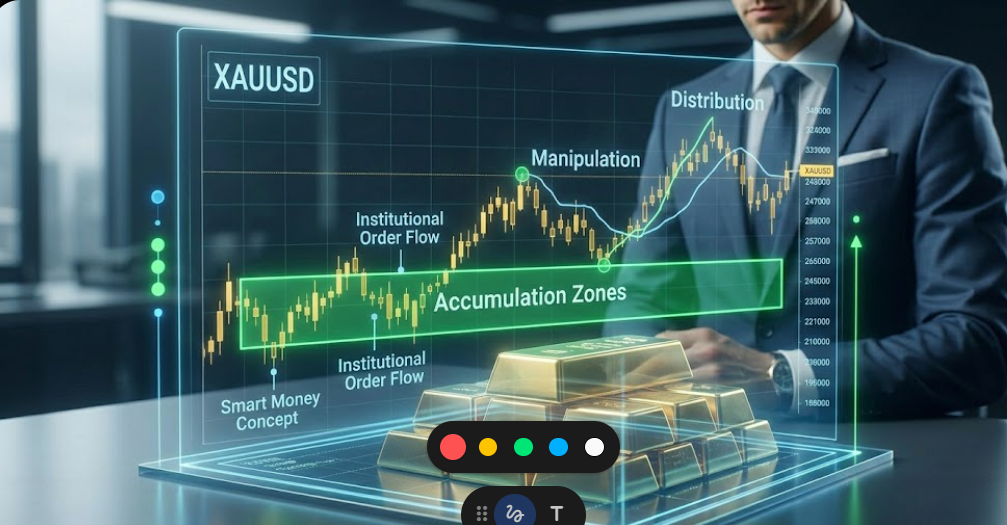
At Investor Tipster, we combine multiple approaches. Our AI Trading Bot uses machine learning to scan thousands of data points, while our Price Action strategy monitors institutional liquidity zones.
By learning the logic behind the alerts, you transform from a passive copier into an informed trader. This knowledge is what separates consistent earners from those who simply gamble with their capital.
Technical Analysis Strategies (The Chart Watchers)
Most Forex trading signal strategies are rooted in technical analysis. This method studies historical price action and volume to predict future movements. Let's look at the three most common technical setups.
A. Trend Following: This is the "safest" and most popular strategy. The analyst identifies the dominant market direction—Up or Down—and issues a signal to join the momentum. The logic is simple: "The trend is your friend."
B. Breakout Strategy: Prices often consolidate inside a narrow range. When the price finally "breaks out" of this cage, it usually moves with high speed and volatility. This strategy captures those explosive market shifts.
C. Reversal Strategy: This is riskier but highly profitable. The analyst identifies overextended price levels where a trend is likely to end. Using tools like RSI, they signal a SELL at the top or a BUY at the bottom.
Regardless of the technical setup, professional signals always include a precise Stop Loss (SL) and Take Profit (TP) level to protect your account from sudden market reversals.
Fundamental & Sentiment Analysis Strategies
Some signals are not based on charts at all. Instead, they are driven by the economic health of a country and the overall mood of the market participants. These Forex trading signal strategies are highly effective during major news events.
Fundamental Analysis: This strategy focuses on the Economic Calendar. Signals are generated based on high-impact USD news like NFP (Non-Farm Payrolls), inflation data, or central bank interest rate decisions.
Sentiment Analysis: This looks at what most traders are doing—and often suggests doing the opposite. If 90% of retail traders are buying, a sentiment analyst might signal a SELL, anticipating a "liquidity hunt" by institutional players.
At Investor Tipster, we provide a unified view on our Signals Dashboard, where technical bias meets fundamental context for the highest possible accuracy.
Manual vs. Automated Strategy Execution
How is the strategy executed? There are two main paths. Manual Execution involves a human analyst using their intuition and experience. They can adapt to unexpected news but are subject to human emotions.
Automated Execution: This is where an Expert Advisor (EA) or bot follows a strict code. Our Marketplace features bots that execute trades with 0% emotion and 100% mechanical consistency.
Neither is inherently "better," but most modern traders prefer a hybrid approach. Using automated tools to find the setups and human oversight to confirm the fundamental sanity of the trade.
Conclusion
A signal is only as good as the strategy that produced it. Don't just blindly follow alerts. Knowing whether a trade is a Trend trade or a Reversal trade helps you manage your risk and expectations correctly.
Pick the Forex trading signal strategies that fit your personality. Trend trades require patience, while breakout trades happen fast. Success comes from matching your lifestyle to the strategy you choose.
Ready to trade? Visit our Signals Dashboard now to see today's active opportunities based on professional technical and fundamental logic!